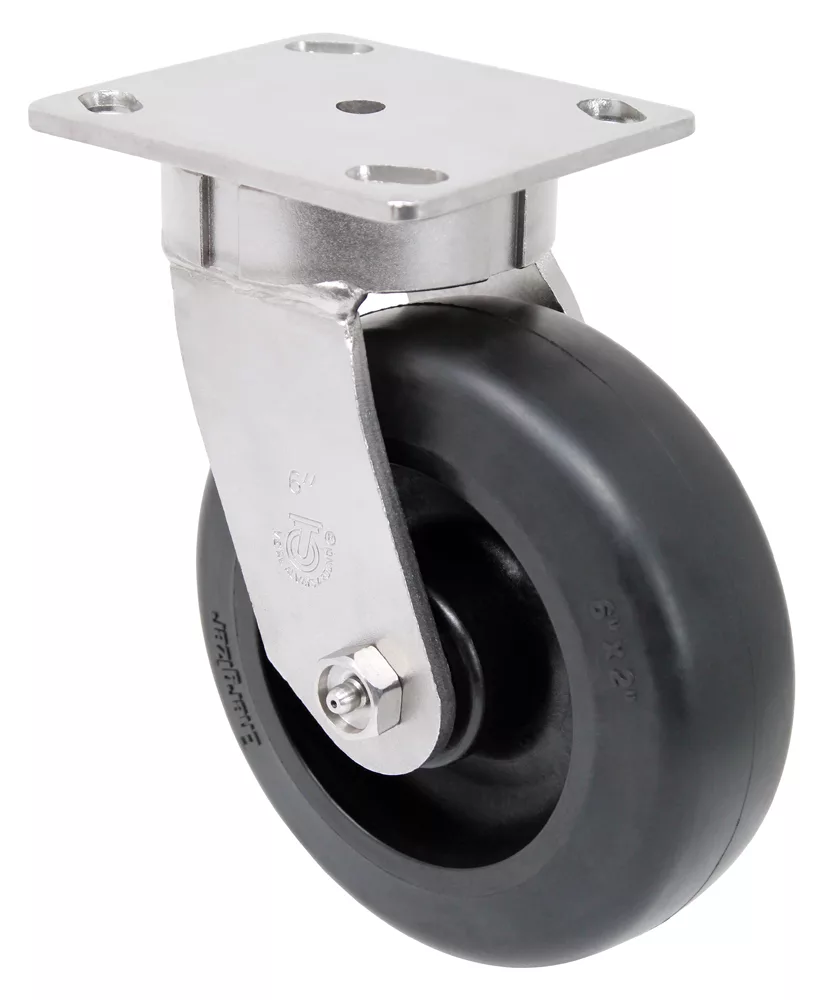
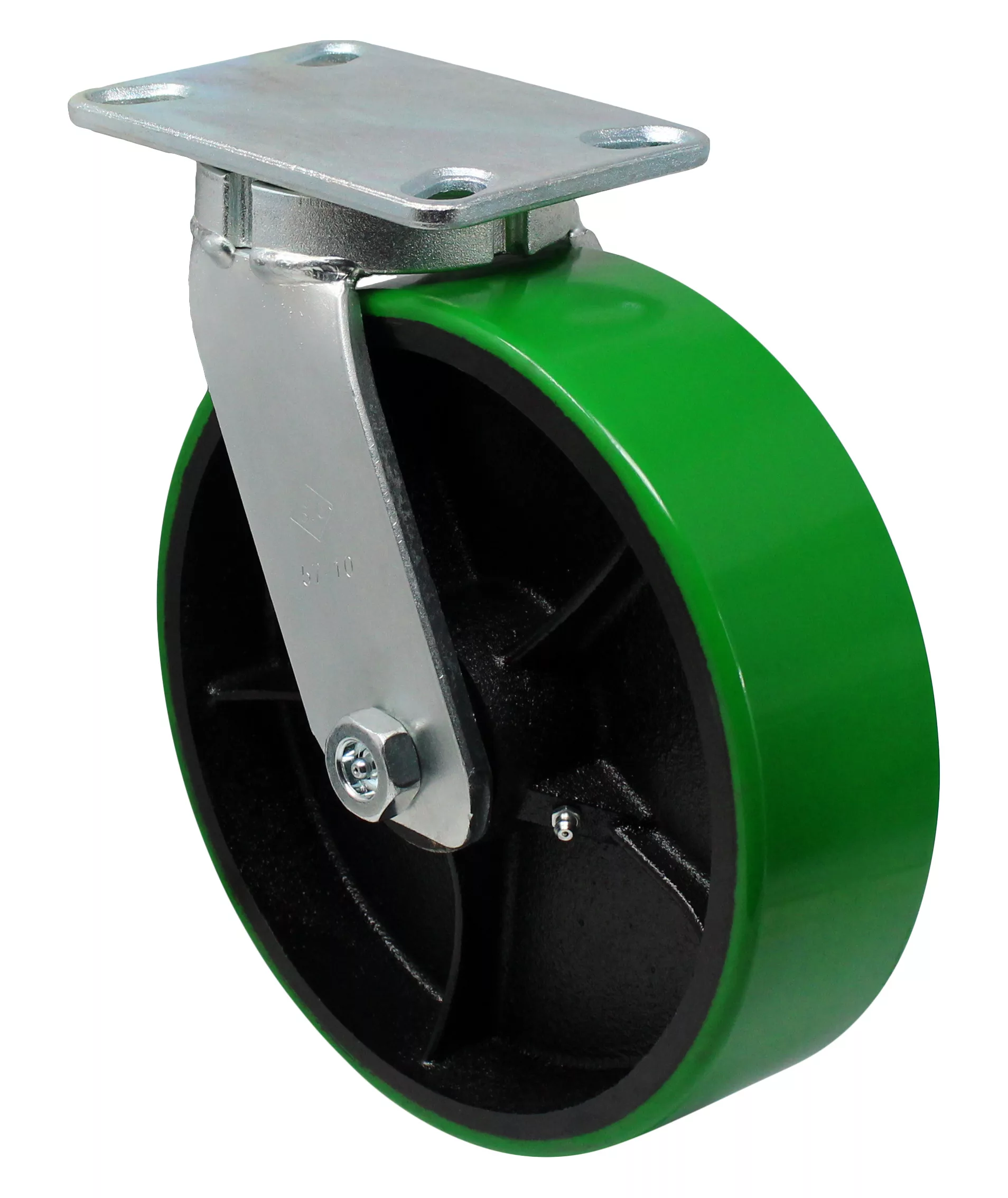
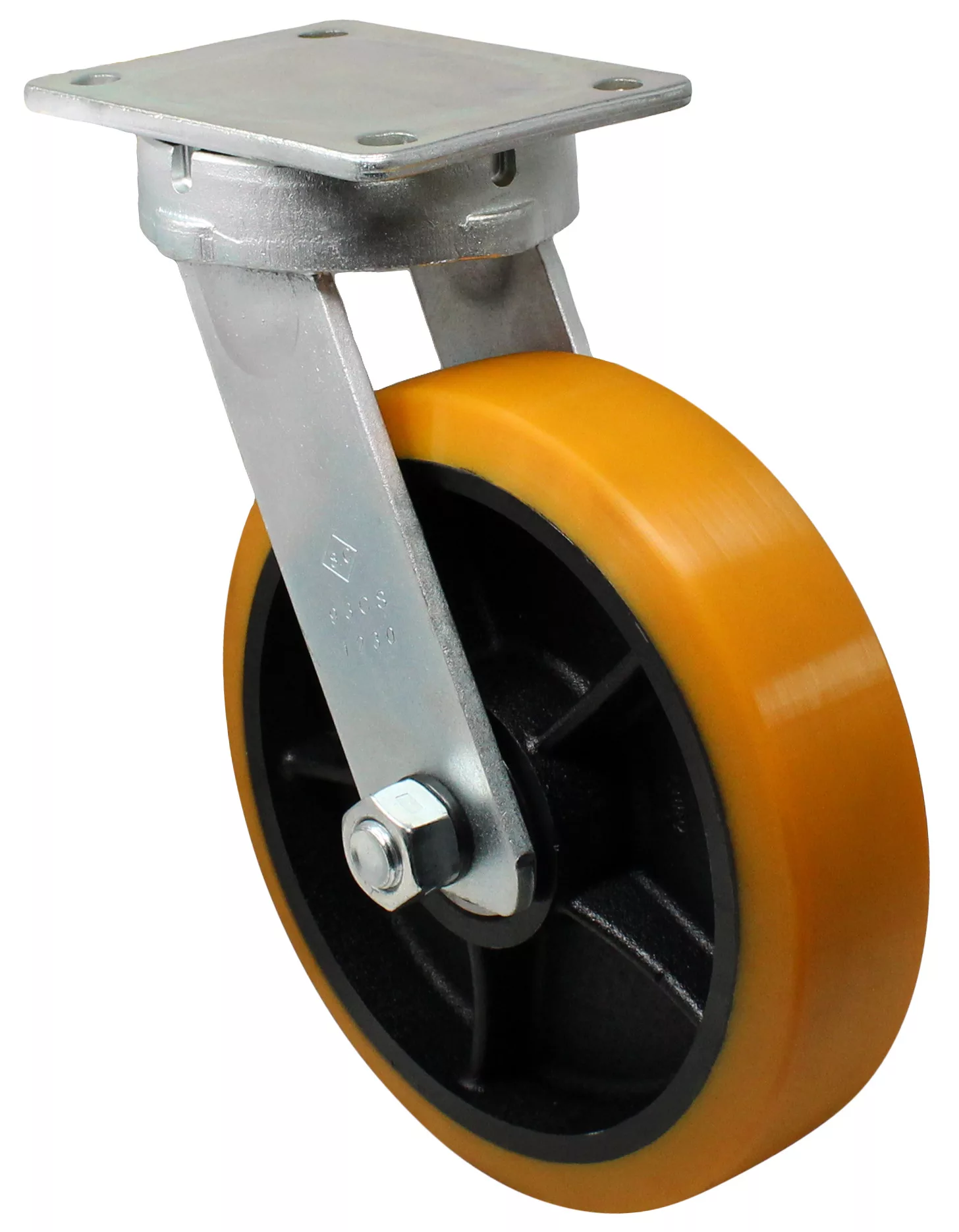
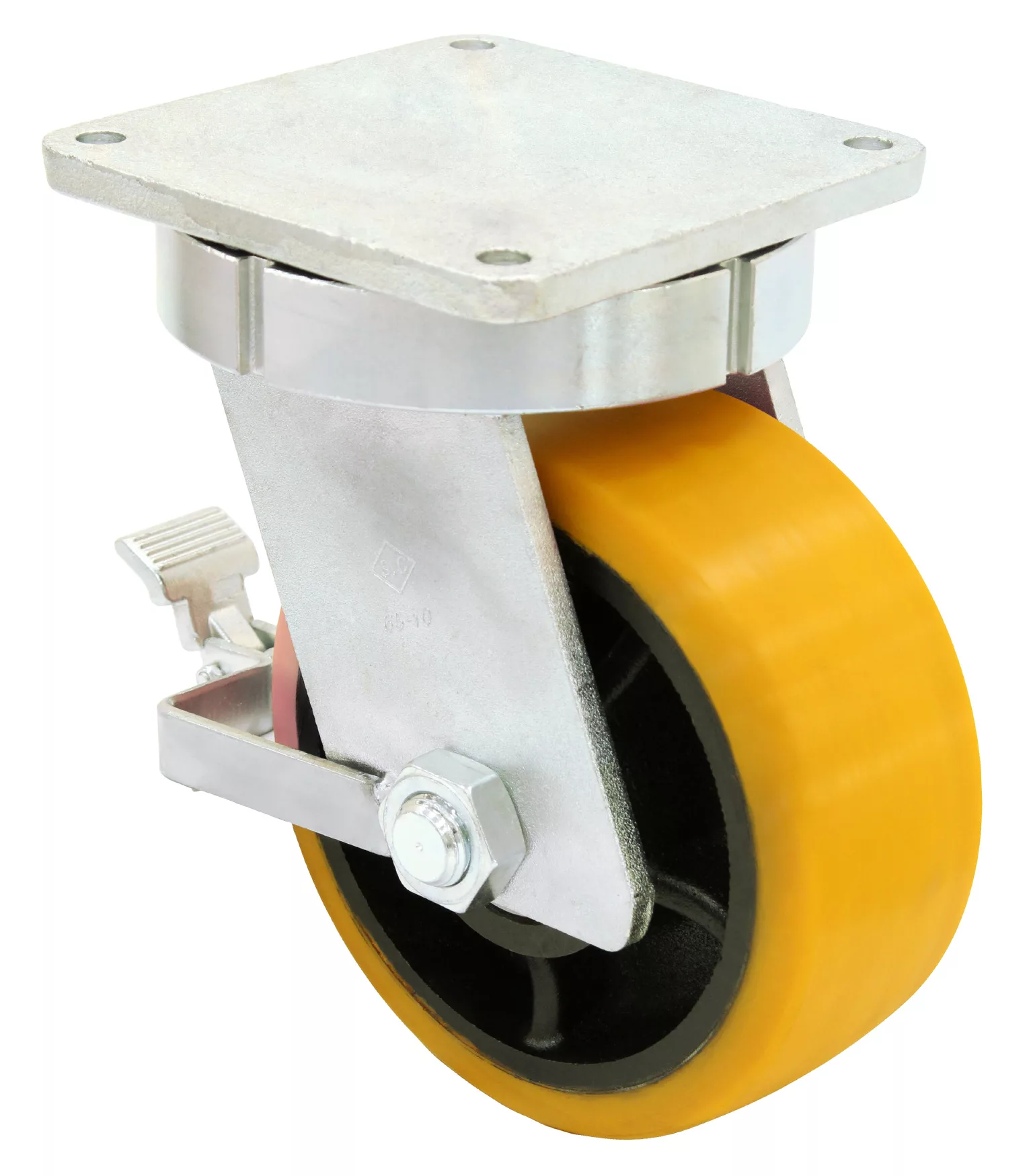
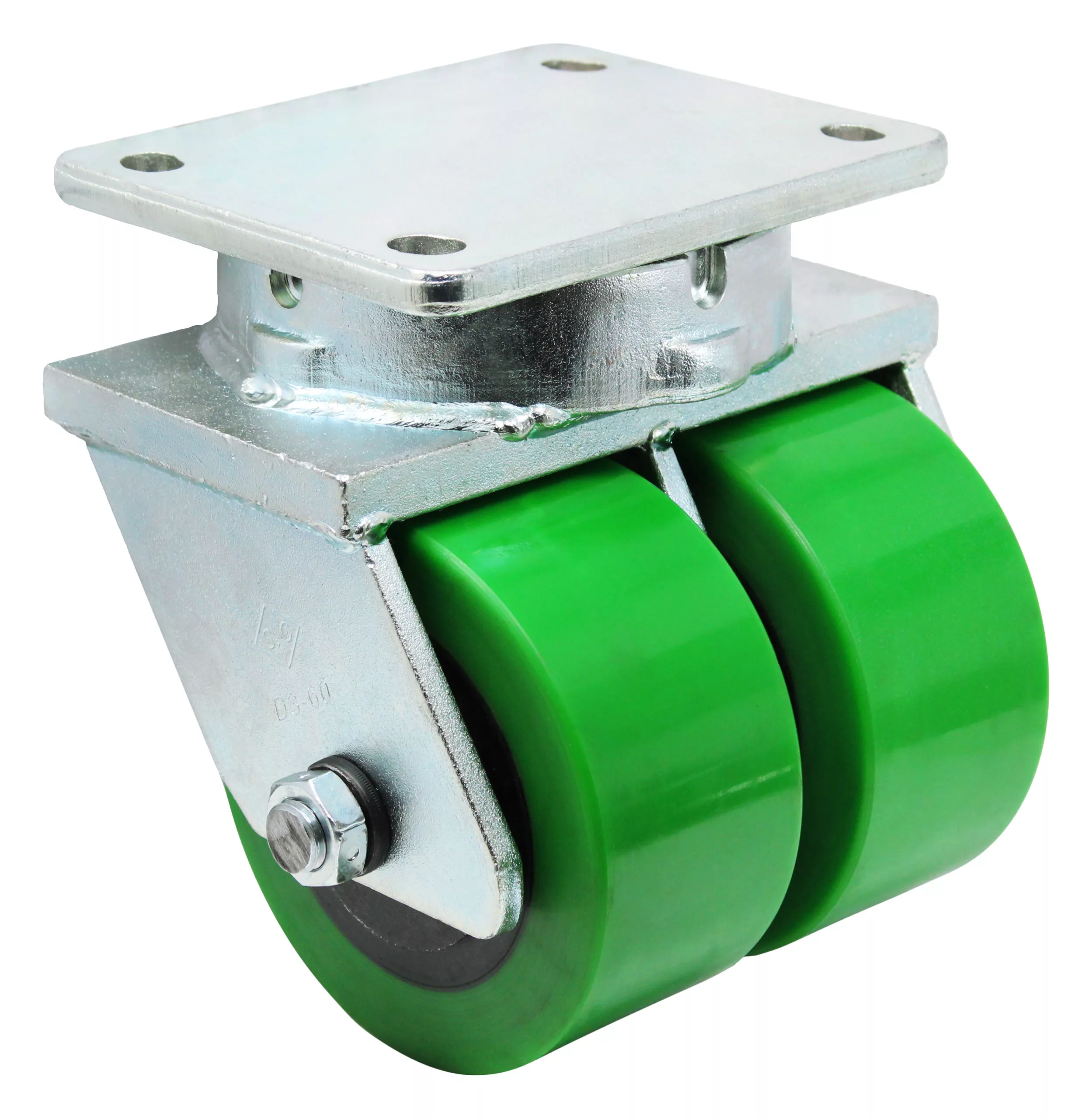
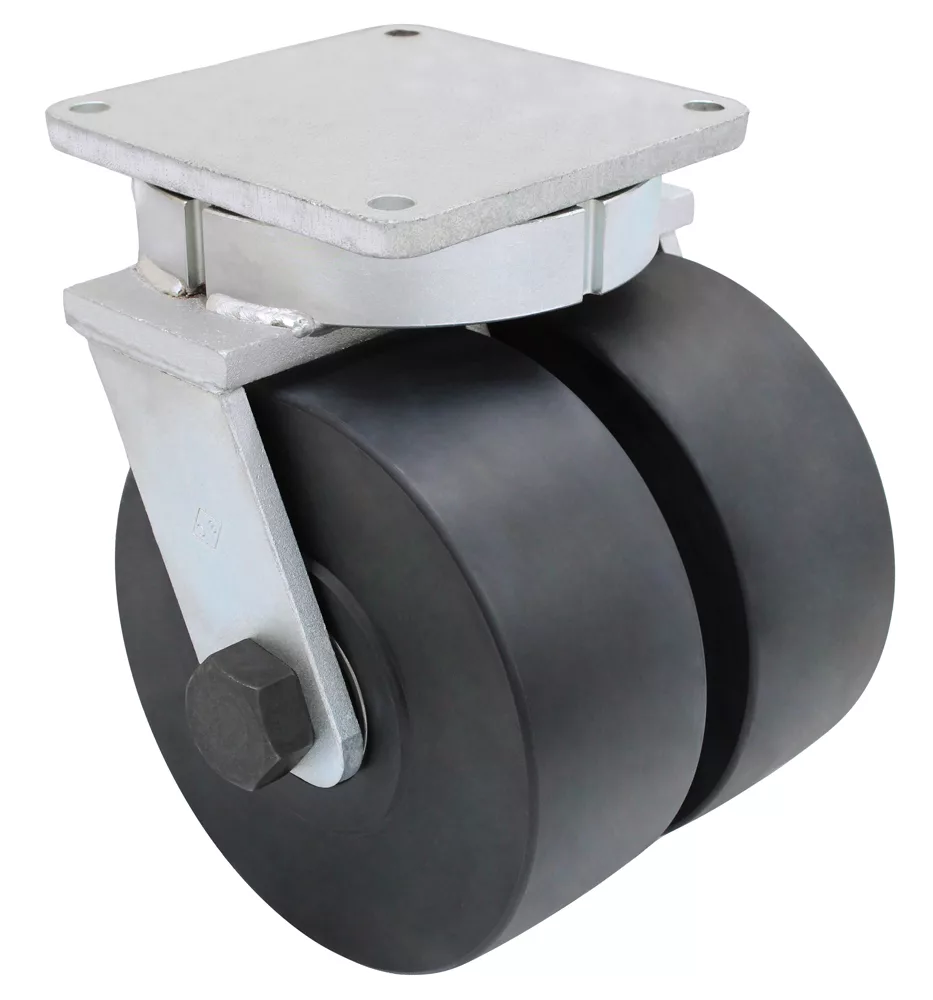
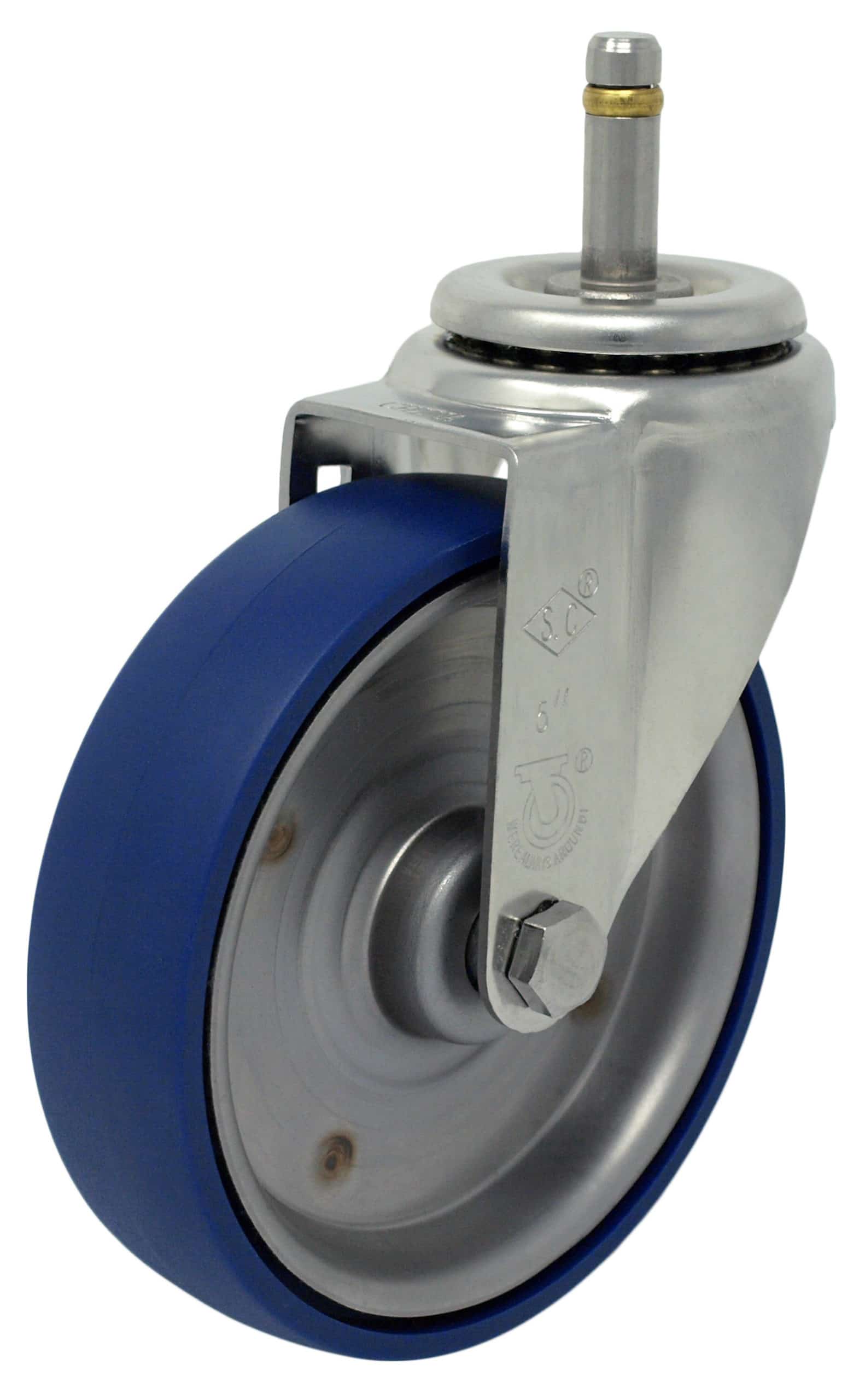
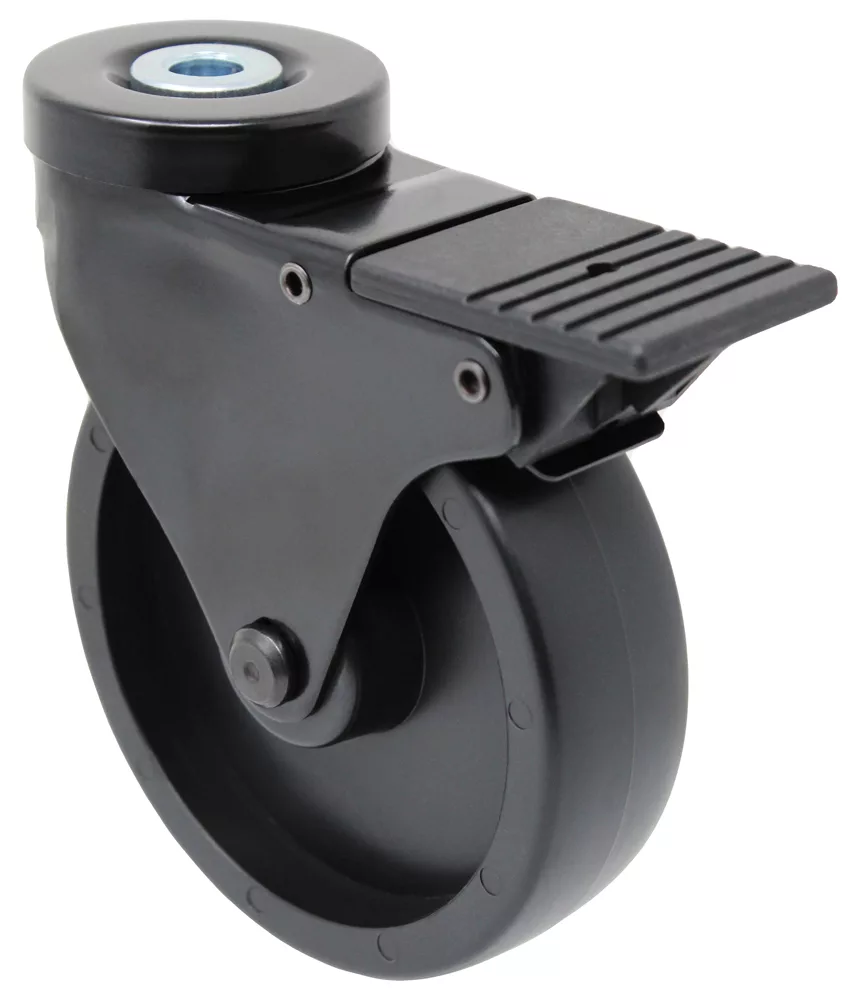
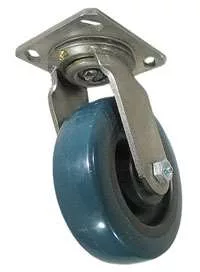
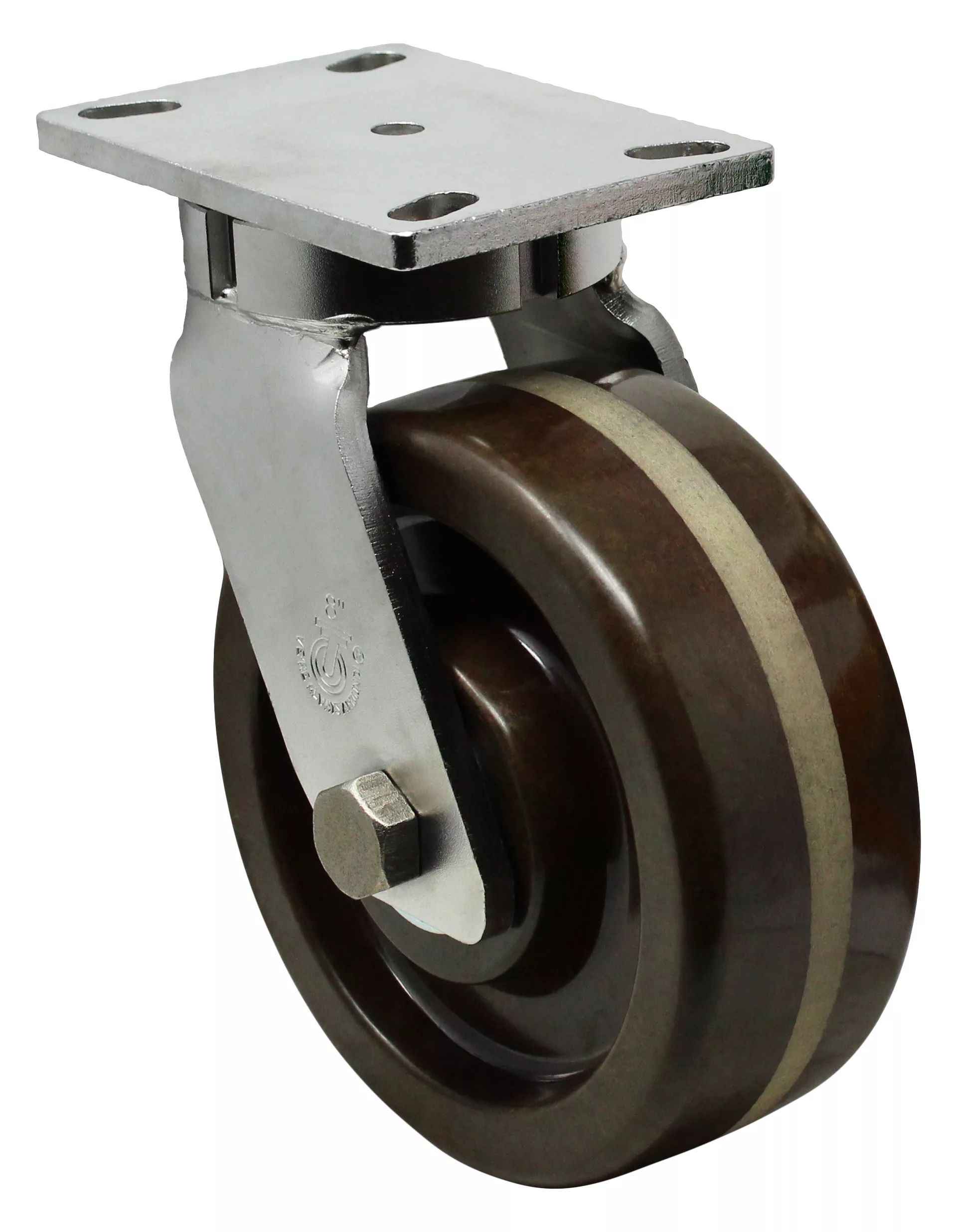
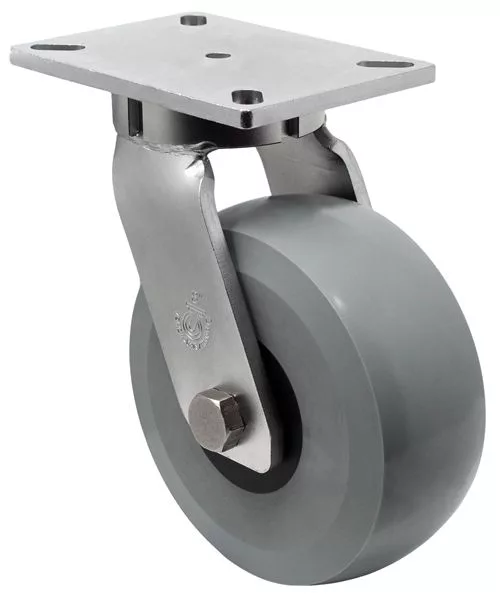
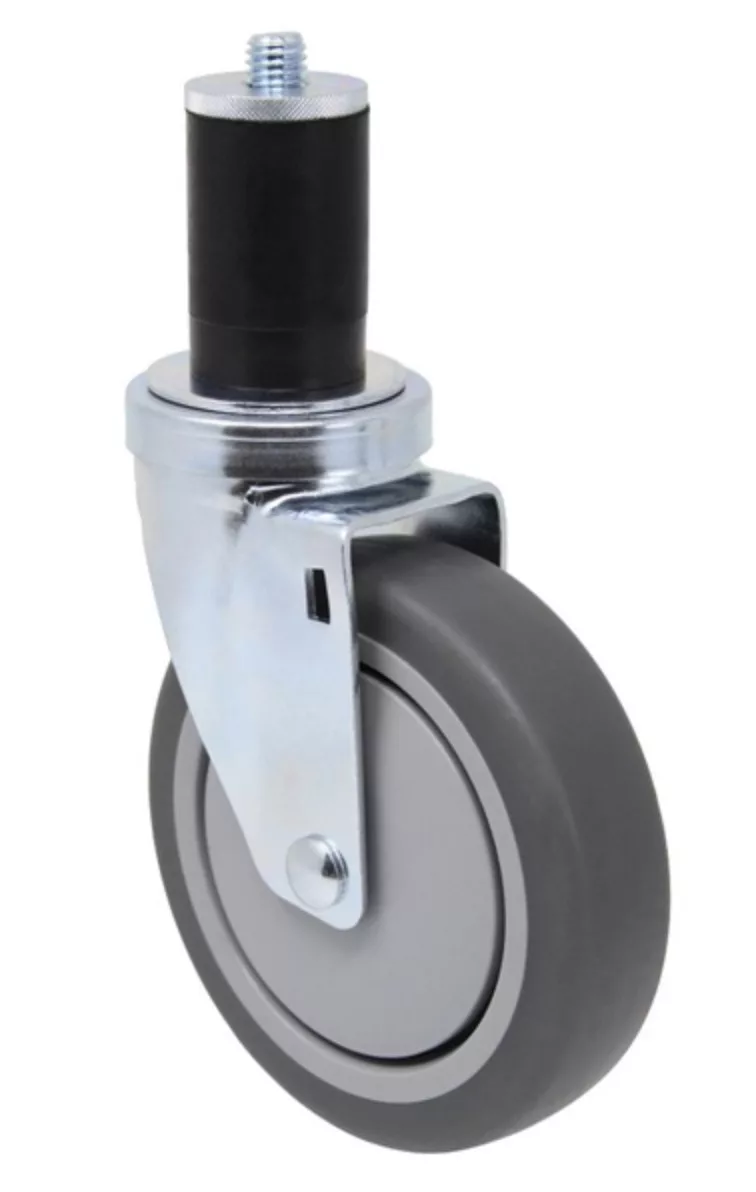
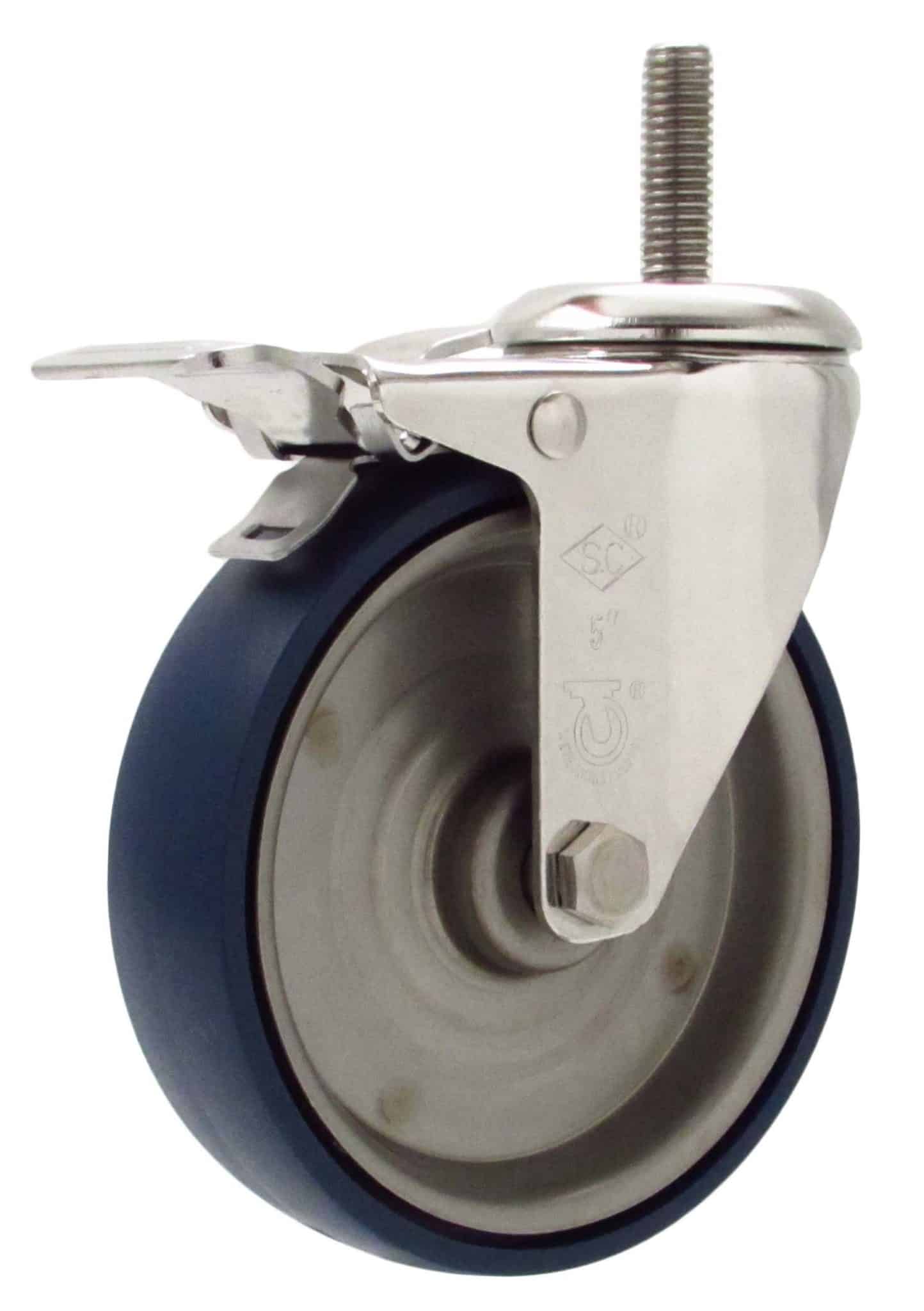
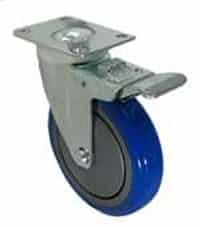
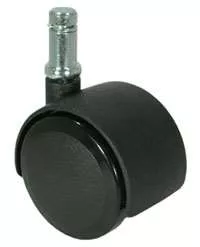
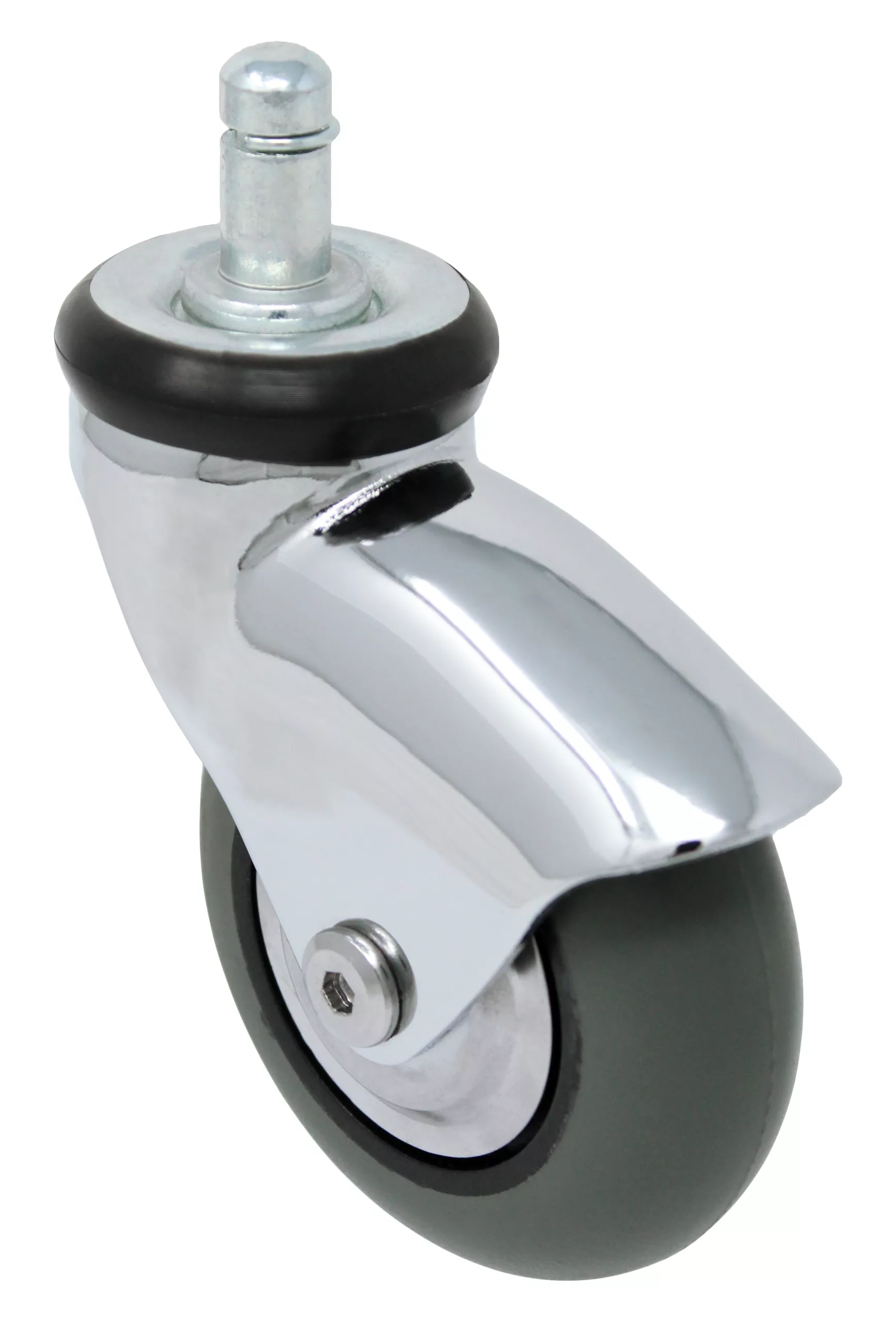
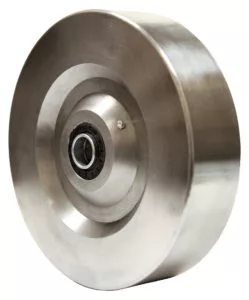
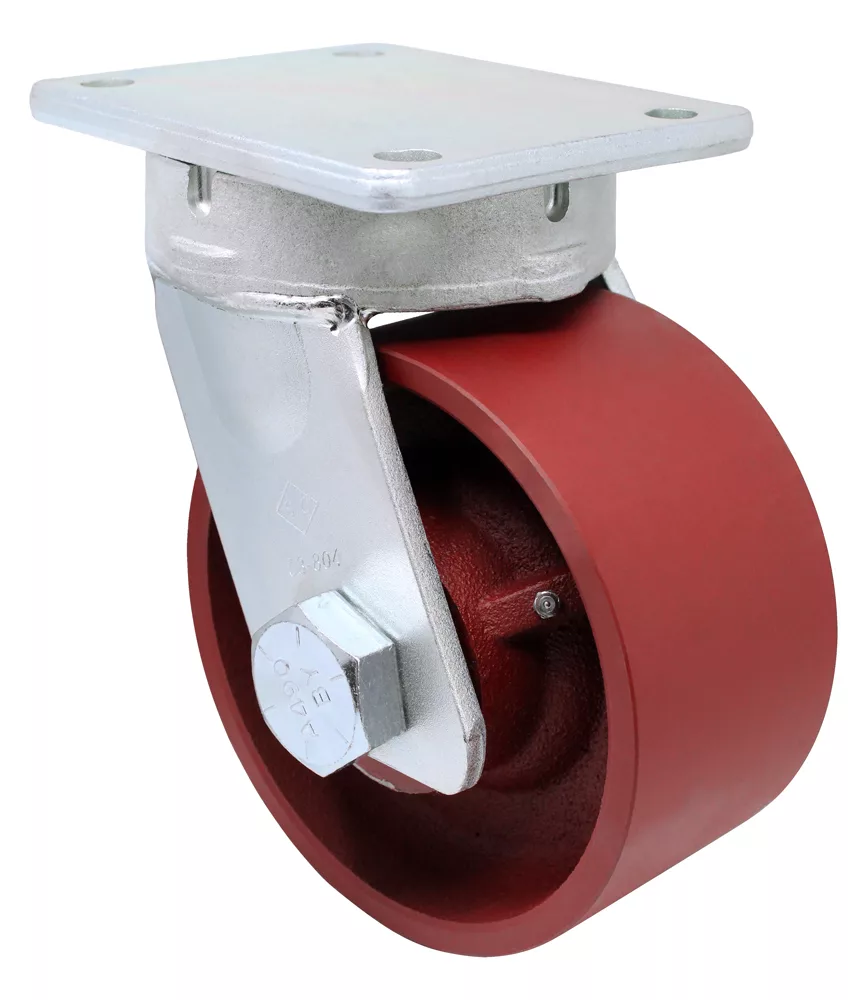
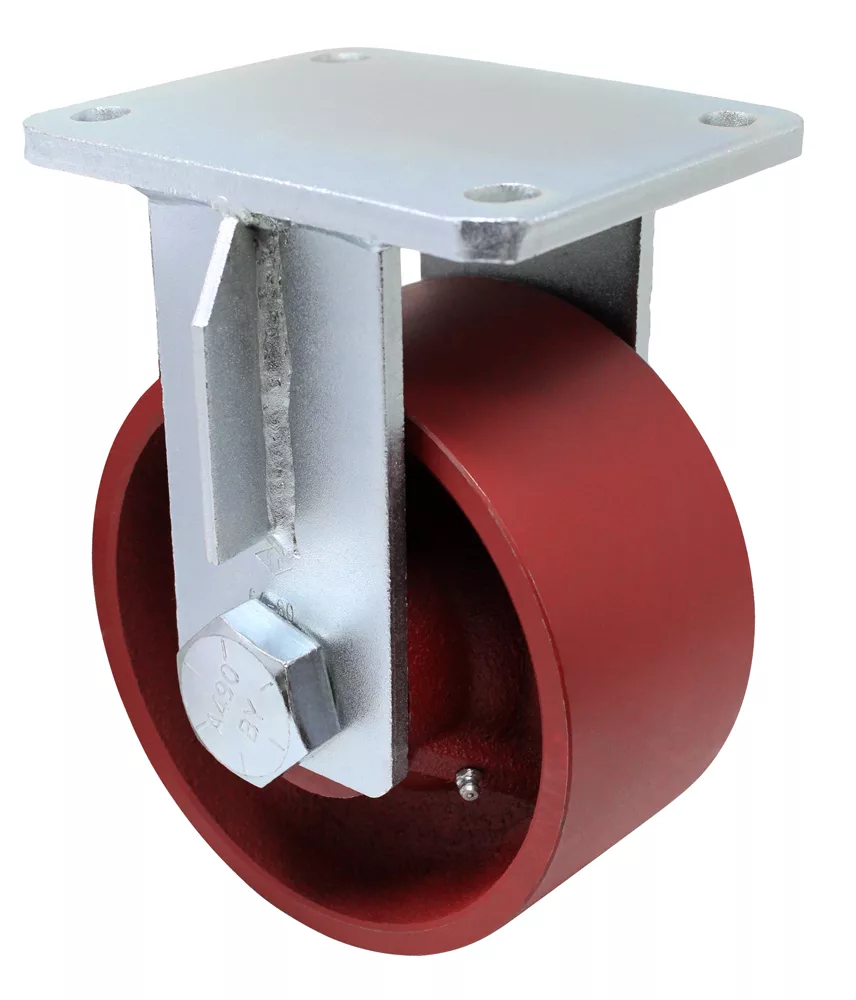
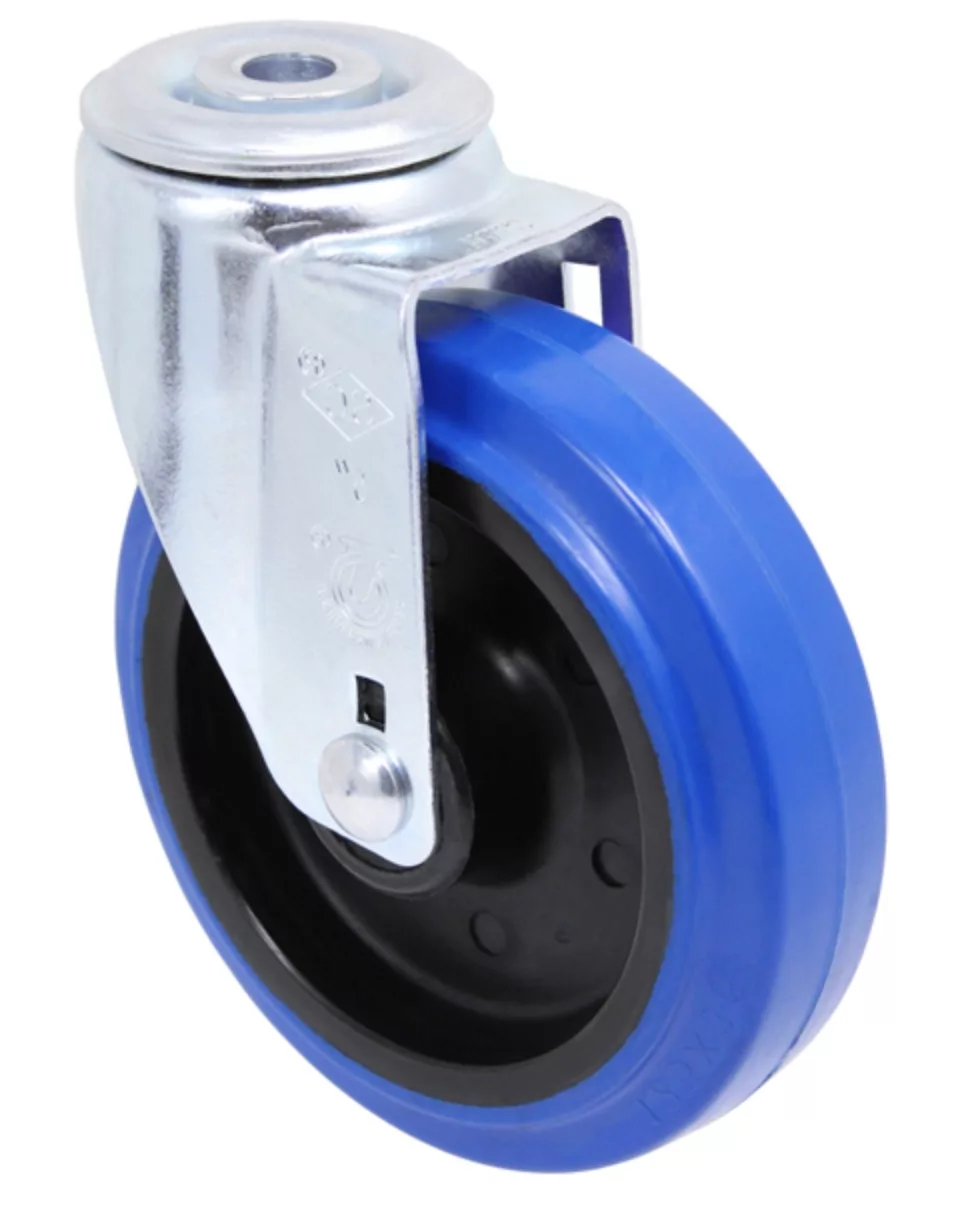
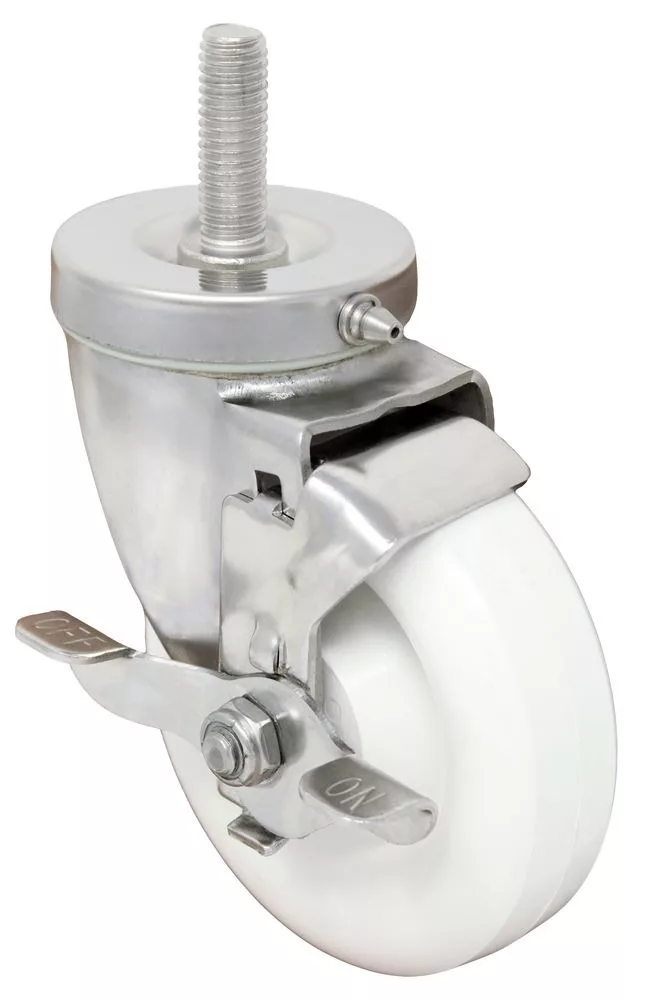
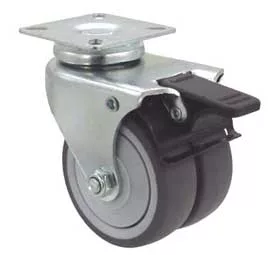
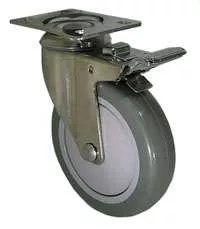
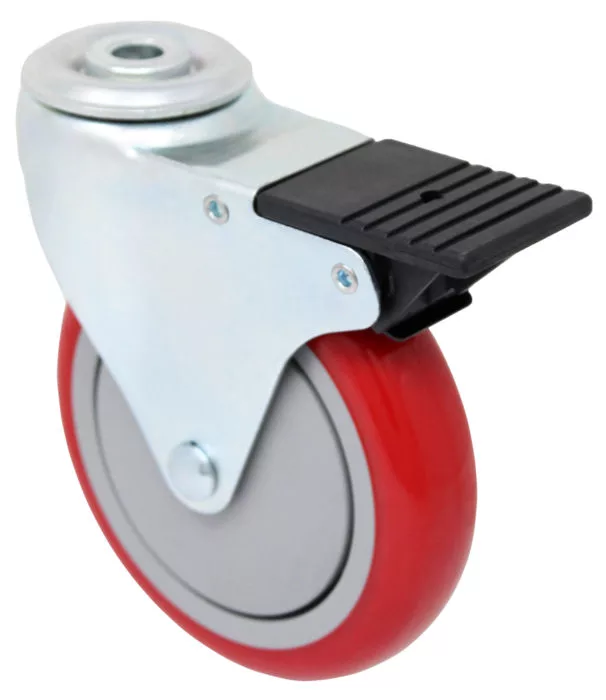
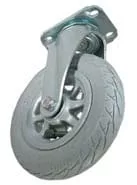
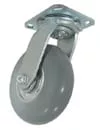
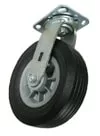
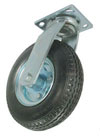
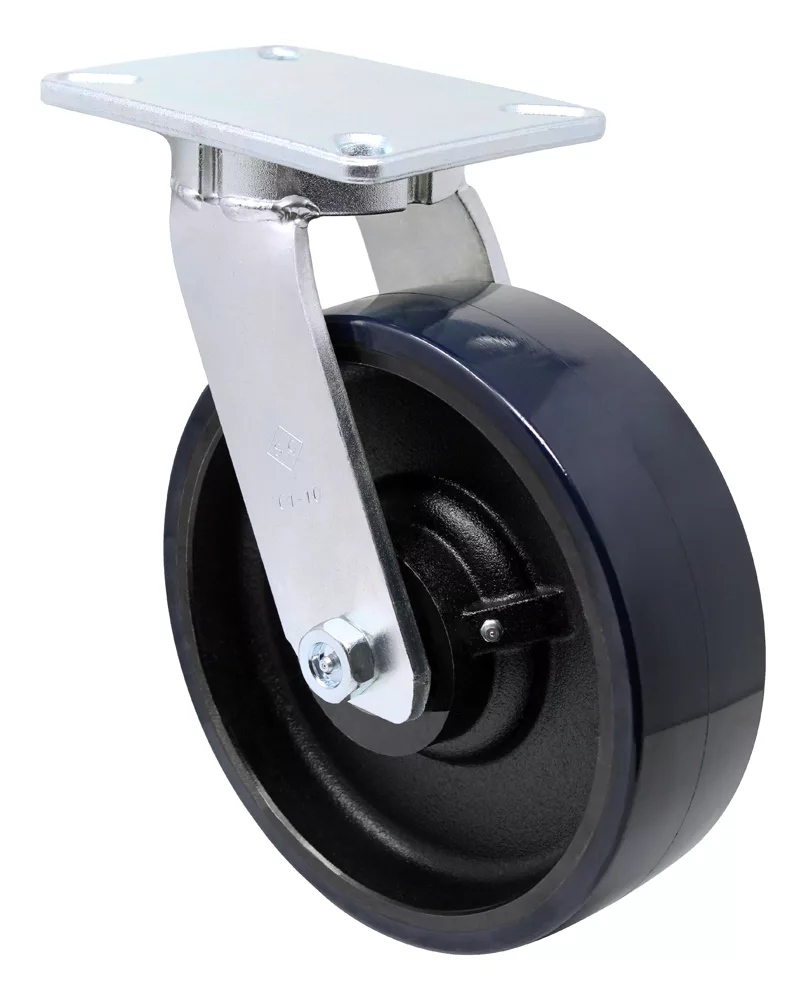
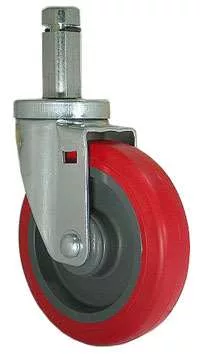
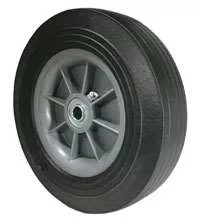
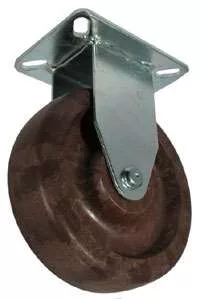
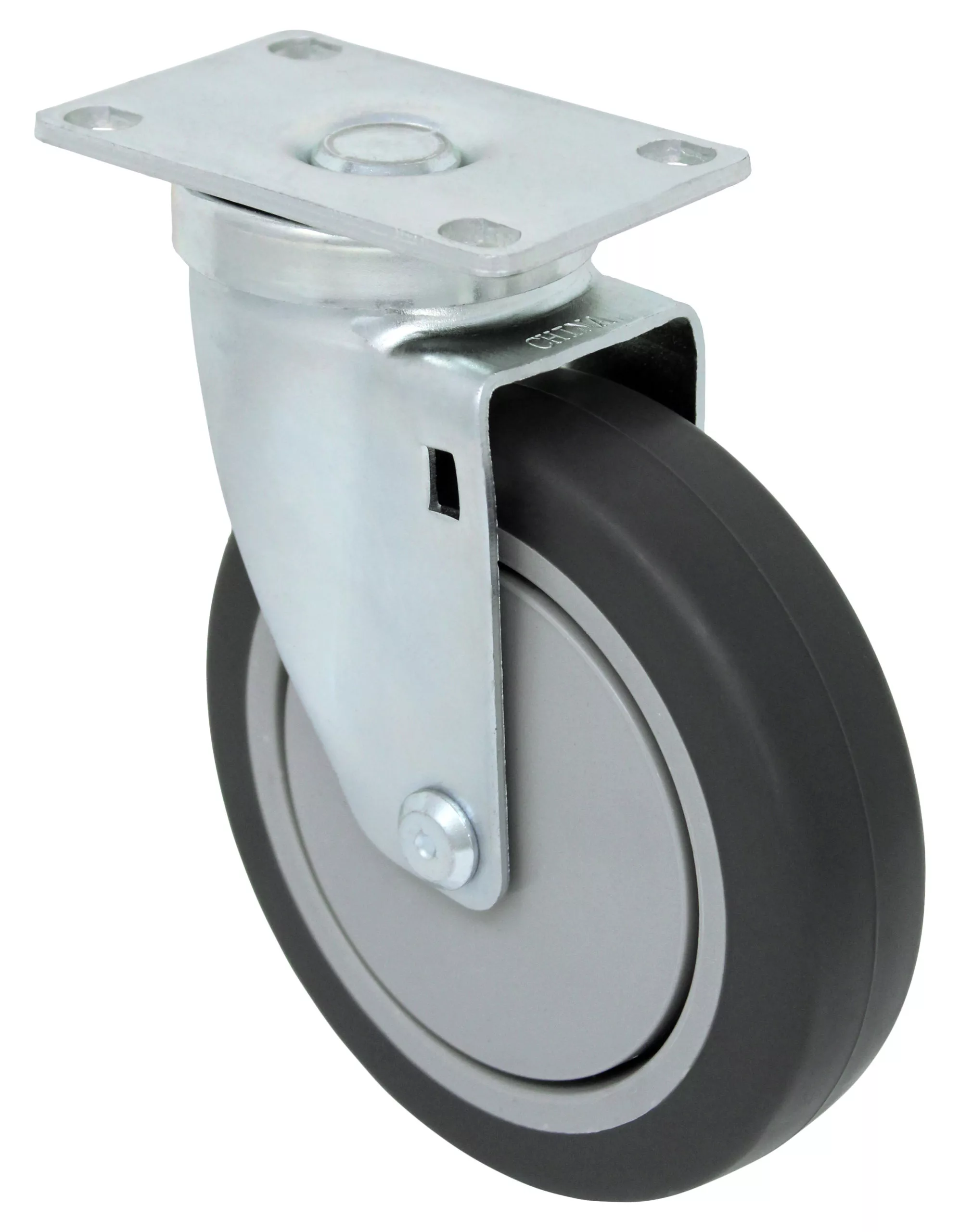
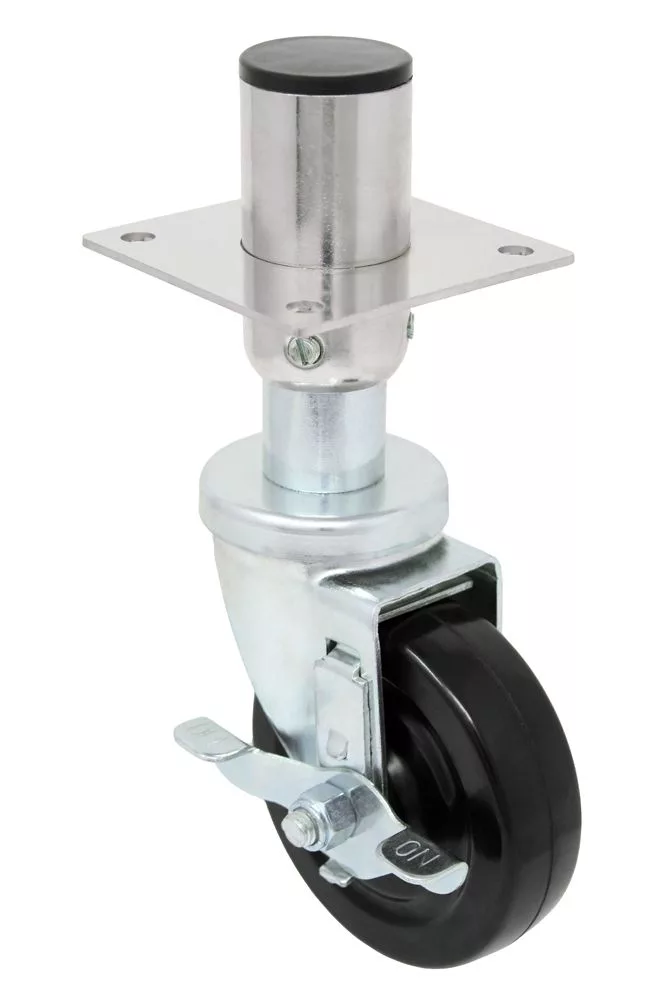
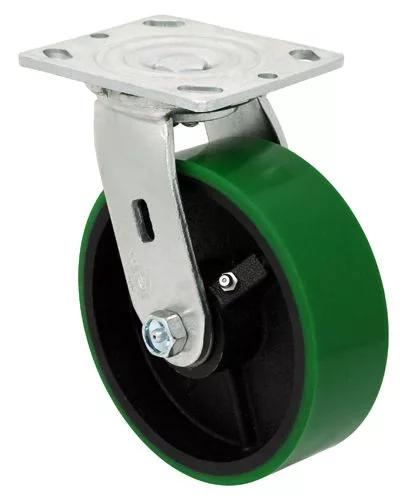
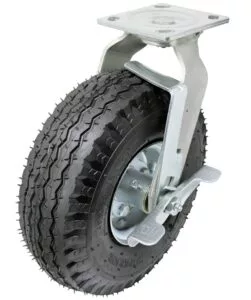
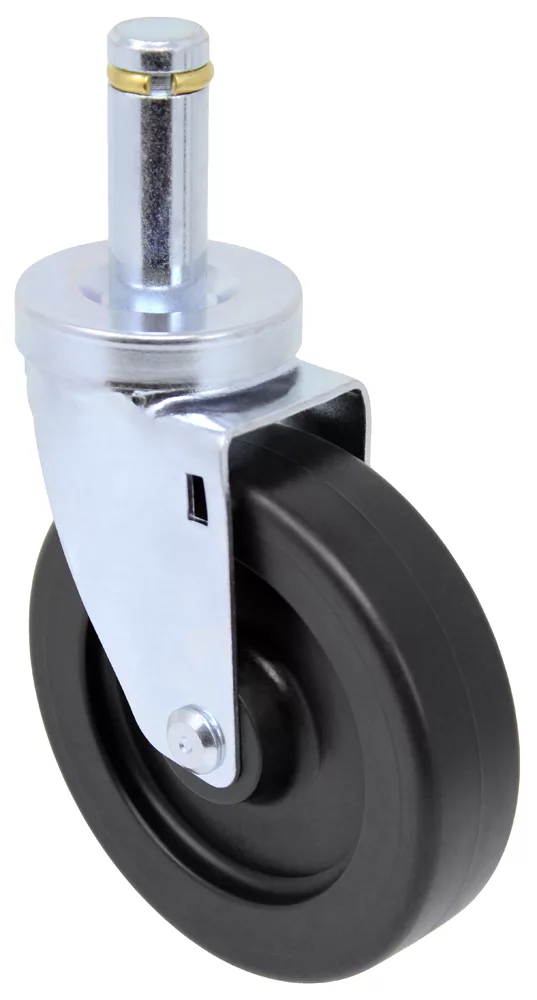
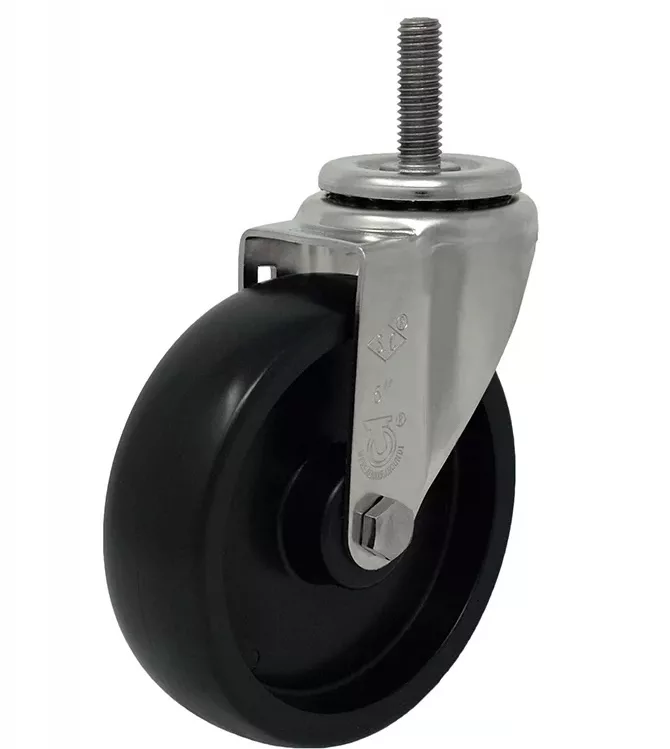
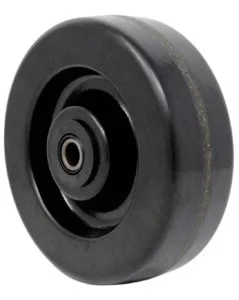
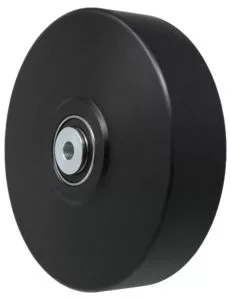
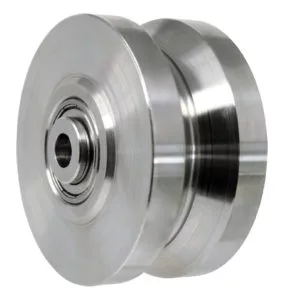
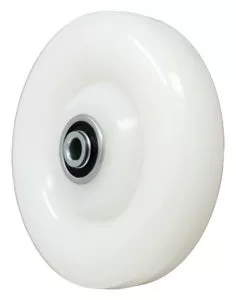
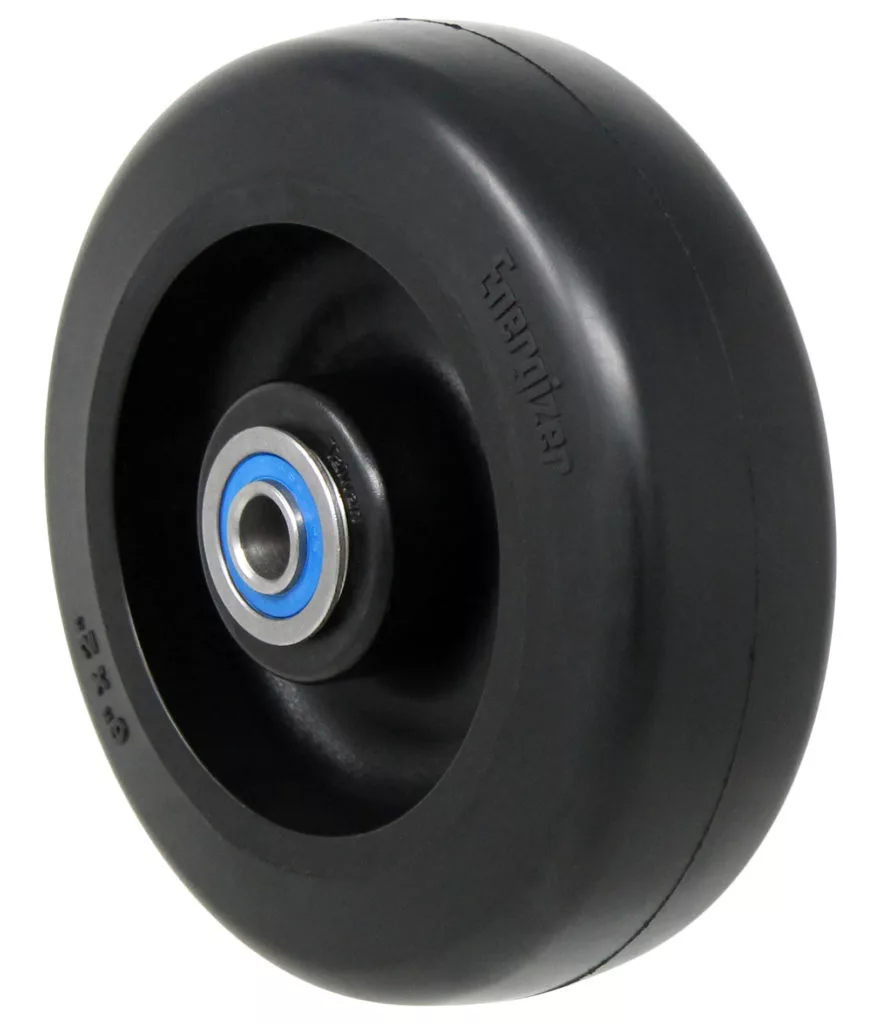
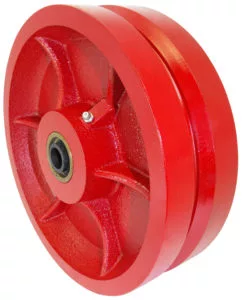
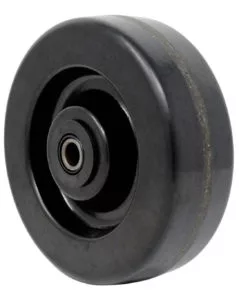
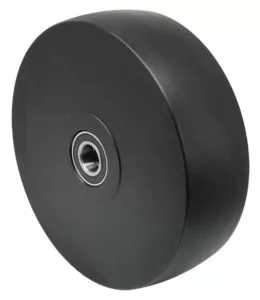
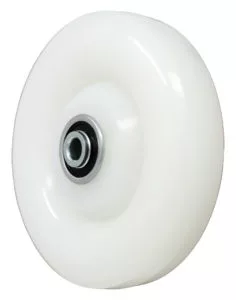

Keep the safety and well-being of your employees in mind when
selecting a wheel or caster. In a manual application, a human being has to move
the equipment. The larger the wheel diameter the easier a wheel rolls. The
proper tire design and composition also impacts the performance and health of
your employees.
|
Casters and wheels that are ergonomically sound reduce
the potential for work related injuries. They lower absenteeism and increase
the productivity and efficiency of workers. Ergonomically designed features
reduce sources of physical stress and tension so that any employee can work
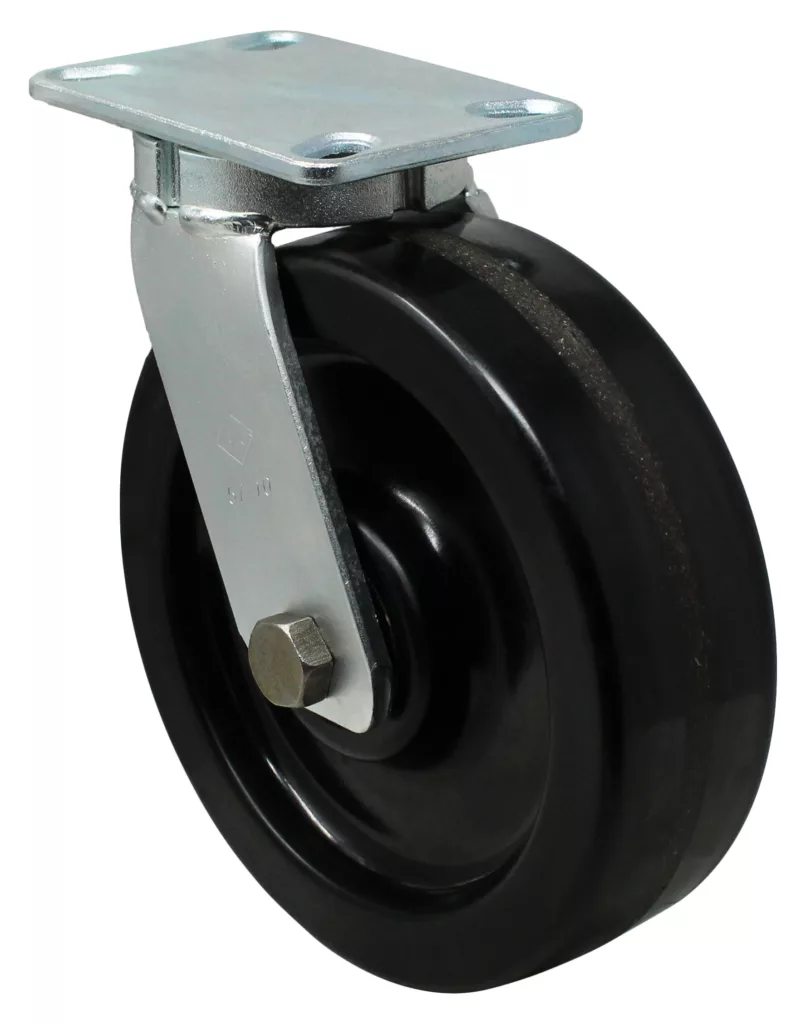
comfortably without the risk of injury. One example would be swivel casters
with a precision swivel bearing. This feature enables a swivel caster to turn
more easily under load, reduces starting effort and fatigue, and allows a more
consistent level of output. When you take safety and ergonomics into
consideration, you reduce lost time due to accidents.
Floor Protection Floors are
expensive to repair or replace. Poor floors damage castered equipment, reduce
productivity, and are hazardous to personnel. Selecting the most floor
protective wheel appropriate for your application will protect good floors, and
will reduce the rate of wear on floors already starting to deteriorate. Only
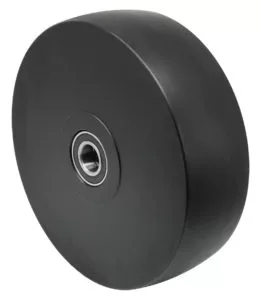
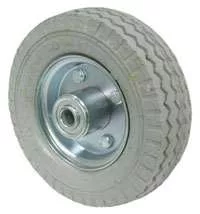
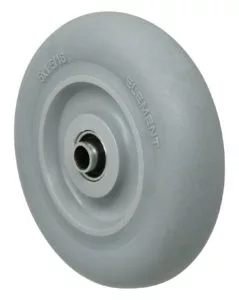
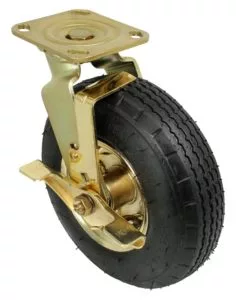
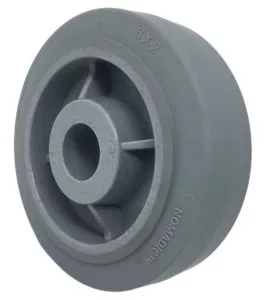
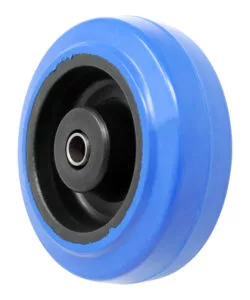
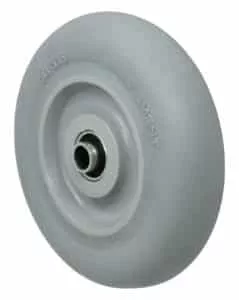
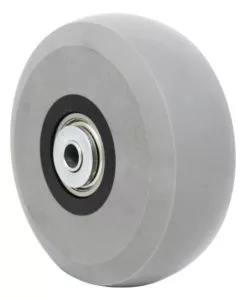
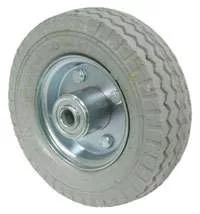
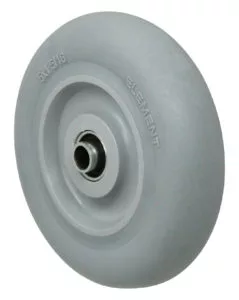
wheels with a soft rubber tread are truly floor and cargo protective. These
include SELF-ENERGIZING, PREMIUM, SUPER CUSHION, Conventional Moldon,
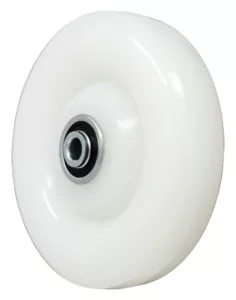
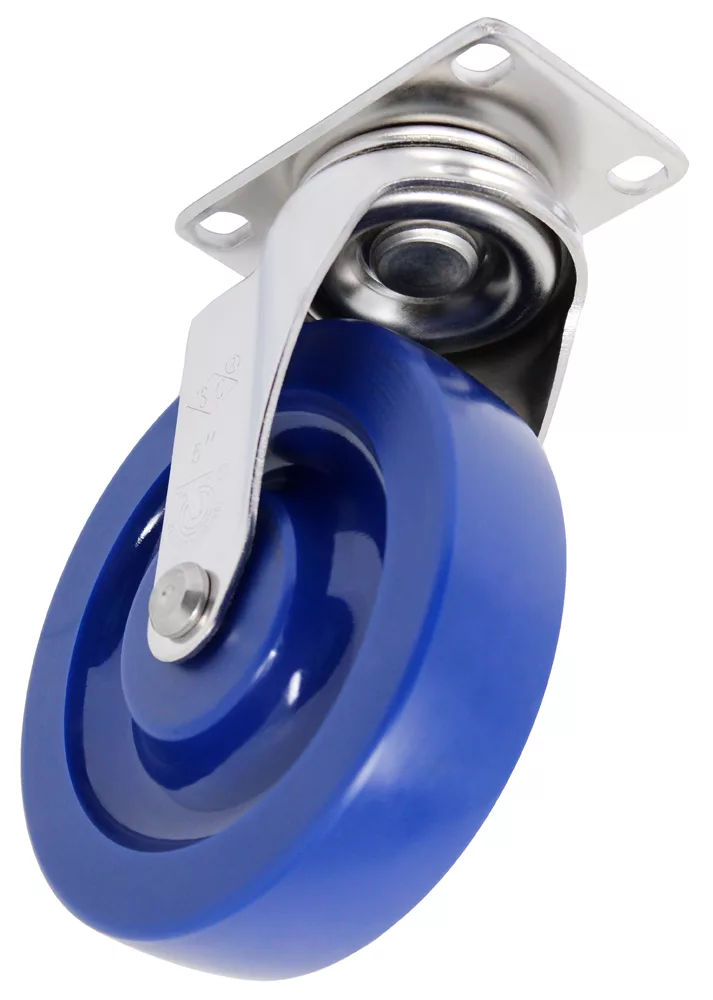
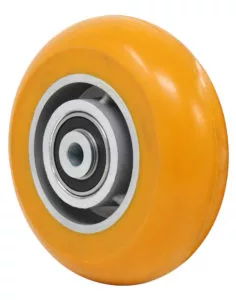
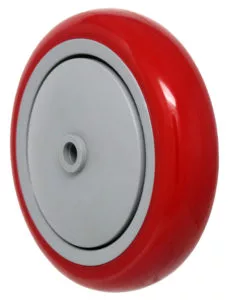
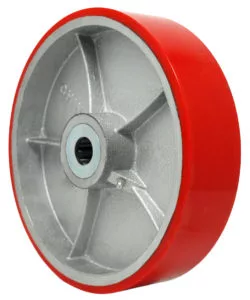
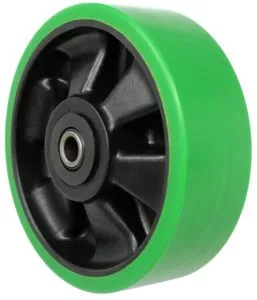
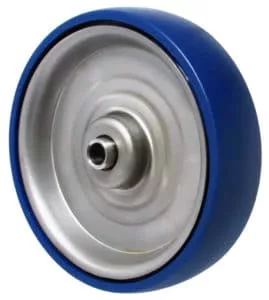
Pneumatics, and Gray Rubber wheels. A common mistake is to think polyurethane
wheels are floor protective. Although under load they are capable of some tire
deflection, actual "tire give" is rarely noticeable. Most polyurethane wheels
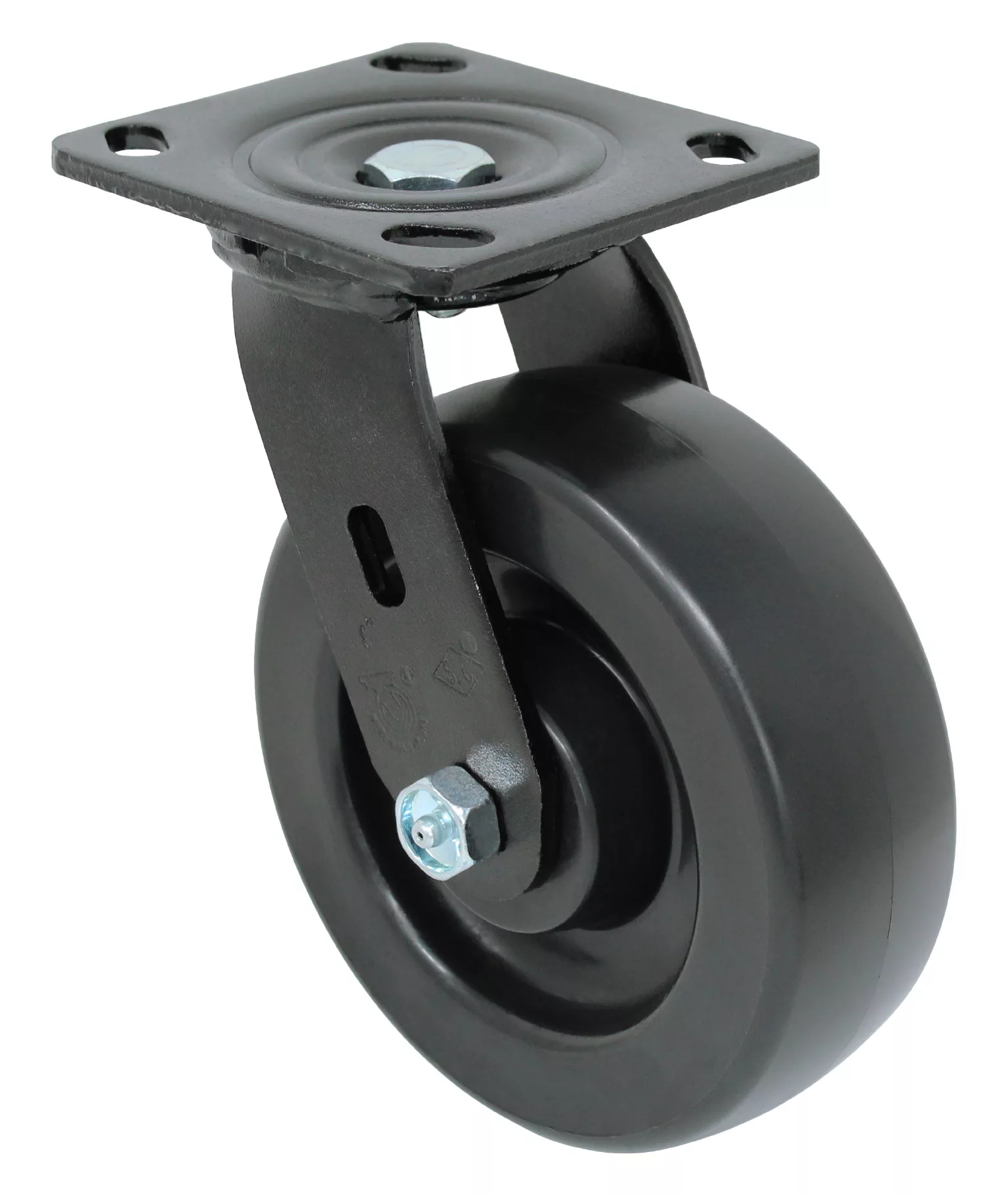
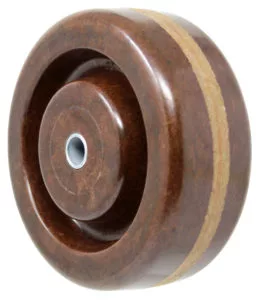
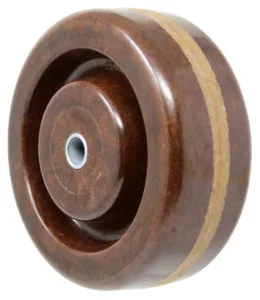
have a hardness comparable to "hard tread" wheels (phenolic, polyolefin, hard
rubber), but are not as noisy. The "Jack Hammer" action of hard tread wheels is
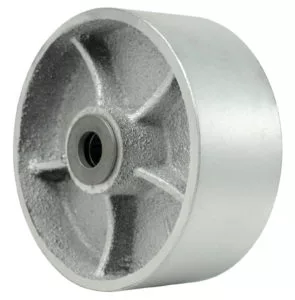
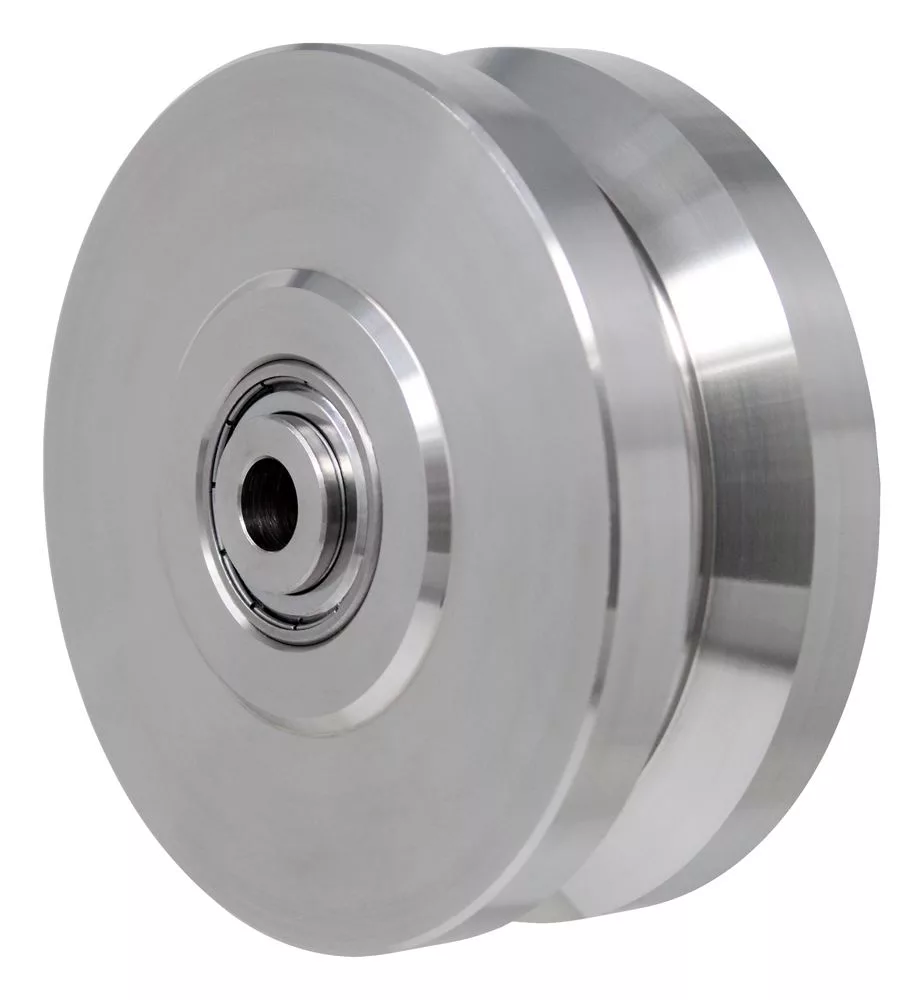
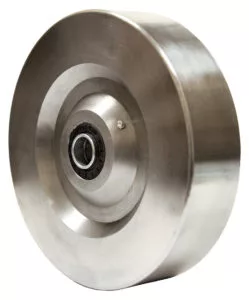
destructive to most floors with time. However, even metal wheels fill an
important need when the operating environment or capacity prohibit the use of
anything else.
|
Rollability Remember that a human being has to move the load, so
select the largest wheel your application will allow. Except for
SELF-ENERGIZING rubber, load capacity ratings do not take into account the
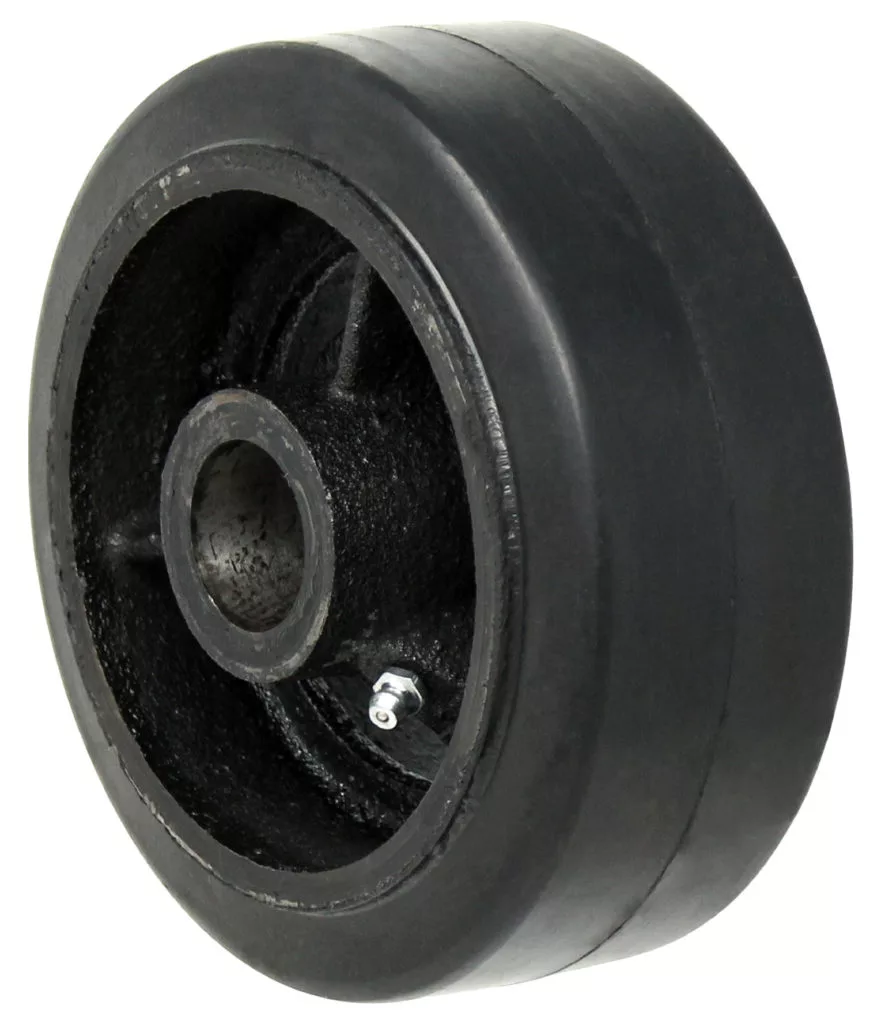
effort required to manually move the load. Conventional moldon rubber wheels
are not easy rolling. We recommend you reduce the weight to no more than 50% of
their rated capacity if the load is to be moved manually. Polyurethane and
"hard tread" wheels are only easy rolling if you do not exceed the load
capacity of the same size rubber wheel, and then only if the floors are smooth.
They are not easy rolling when loaded to their full rated capacities. PREMIUM
rubber wheels when loaded to full capacity can be moved manually. As long as
your loads do not exceed the rated capacity of PREMIUM rubber, its selection
means you will not have to give up the benefits of resiliency (floor and cargo
protection) in order to get rollability.
|
Capacity
Selection should never be made on the basis of capacity alone.
Capacity ratings on this website are based on intermittent use at a speed not
exceeding 3 mph over smooth floors in a manual operation under ideal
conditions. Your conditions are almost never ideal, so select a wheel or caster
with much higher capacity than the weight you require. Always consult us first
for a reduced capacity rating if the wheel or caster is to be used in a
mechanically powered application. Capacity ratings are offered as an idea of
what the wheel or caster will carry without failure. They are not absolute, but
rather depend on the usage and service. Capacity ratings shown do not allow for
shock loads, overloading, abuse, obstructions, or poor floors. Proper
maintenance requires all bearings be relubricated on a regular schedule, and
all bolts and nuts be kept tightened. Conditions of excessive temperature, dirt
or other contaminants will reduce capacity and minimize performance. The
temperature range shown for wheels in this catalog is the range of the wheel
material. Operation near either end of the temperature range may require a
substantial reduction in capacity, or cause a wheel to be unsuitable for the
application.
|
Floor Obstructions and
Operating Environment Sometimes obstructions must be tolerated.
Examples may include expansion joints which are not level, track, dock plate,
or brick floors. There simply may not be an ideal solution. However, as a
general rule, resilient wheels roll over floor obstructions better than hard
tread wheels. Obstructions require selecting larger wheels and stronger casters
than the application would require if the floors were smooth. Metal shavings
can become imbedded in rubber and polyurethane tires. Steel plate can cut
resilient tires, and chip or break hard tread wheels. Always keep floors clear
of debris. Harmful substances or chemicals may require using special wheels or
bearings. The bonding agent which holds rubber and polyurethane tires to their
metal centers can be affected by exposure to some chemicals, impact,
overloading, and the buildup of heat.
|
Cost/Value
Analysis Too often the purchase of wheels and casters is based on
criteria far removed from the essential purpose - "Will they move the load
smoothly and easily?" A piece of equipment purchased to carry and move a 2,000
lb. load is costly when it is loaded with only 1,000 lbs. in order to roll.
Most people will load equipment only to a weight they can move easily and
without injury. Equipment that requires two men to move it, when one should
suffice, is also an expensive unit, regardless of acquisition cost.
Old
style casters and wheels are usually built to a price, with no consideration of
their investment value for profitable operation and pay back in productivity.
Our products are competitively priced, but look beyond the price tag. Initial
cost is a factor in a purchase decision, but it is only one
factor.
Consider making a value analysis, it may bring out some other
factors worthy of consideration. Value rate the product. A human being must
push or pull castered equipment. Ease of rolling and wheel life are the two
important elements of an efficient and economical manual operation. Sometimes a
certain caster or wheel may not be the least expensive choice if you are
looking at only the initial cost of acquisition. However, if it is the right
caster or wheel for a particular application, the cost will be commensurate
with the value and the pay back.
Ask yourself to what extent will a
caster or wheel require maintenance? The cost of acquiring a product should be
weighed against the cost of keeping it in operating condition. Bearings and
their service generally are the largest factor in maintenance. The cost of
systematic lubrication and replacement can be a drain on profits; if one is
neglected, the other increases.
Will the caster or wheel further
dependable operation? With an easier rolling wheel and easier turning swivel,
employees tire less, there are fewer accidents and productivity
increases.
Our Staff can give you valuable assistance in the selection
of the right combination of wheels and casters for your needs. They are
knowledgeable, competent and experienced in caster usage.
If you need
some VERY basic information on casters and caster wheels, click here to visit
our "Casters"
page. |
| |
|